El Salvador Reform: Human Rights and Democracy Under Threat?
El Salvador, a nation grappling with a history of violence and political upheaval, is once again at a critical juncture. Under the charismatic leadership of President Nayib Bukele, the country has seen unprecedented changes, particularly in its approach to public security and, more recently, its foundational legal framework. A recent and significant shift in the rules governing
el salvador constitution reform has ignited a fervent debate among international observers, human rights organizations, and concerned citizens alike: Is the push for security inadvertently undermining the very democratic principles it aims to protect? This article delves into the implications of these constitutional changes, examining the balance between a popular government's drive for power and the enduring concerns for human rights and democratic integrity.
The Mechanics of Change: How El Salvador's Constitution Was Streamlined
The recent amendment to El Salvador's constitution, enacted on April 29, 2024, by the outgoing legislative assembly, represents a profound alteration to the nation's legal landscape. Historically, amending the country's founding law was a deliberately arduous process, designed to prevent hasty or politically motivated revisions and ensure broad consensus. The 1983 constitution stipulated a two-tiered approval mechanism: a proposed reform first required a simple 50-plus-one majority vote in one legislative assembly, followed by ratification by a two-thirds majority in a *new* chamber after subsequent elections. This "two-legislature" rule served as a crucial safeguard, forcing a period of public debate and potentially requiring cross-party agreement over time.
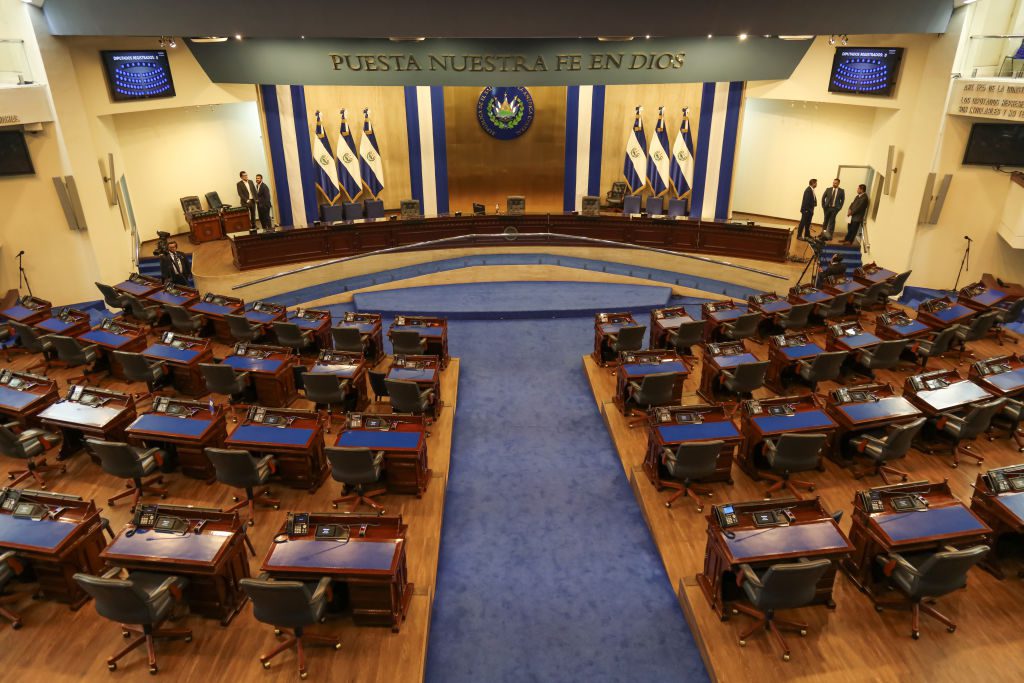
However, the recently approved amendment drastically simplifies this process. Now, any proposed constitutional change can be ratified by a three-quarters majority within a *single* legislative assembly. The timing of this change is particularly noteworthy. It was passed by the departing legislature just before the new, 60-member assembly took office. This new assembly is overwhelmingly dominated by President Bukele’s Nuevas Ideas (NI) party, which secured 54 out of 60 seats in the February elections. This supermajority effectively grants Bukele's administration the unfettered ability to push through virtually any constitutional amendment without needing future legislative approval or broad societal consensus, a power that previous administrations could only dream of.
The significance of this procedural change cannot be overstated. It effectively lowers the barrier for fundamental legal alterations, concentrating immense power within a single political entity. Critics argue that this move dismantles a vital democratic check, potentially paving the way for sweeping reforms that could reshape the nation's governance structure, including sensitive areas like presidential term limits.
Human Rights and Democratic Safeguards Under Scrutiny
The response from human rights organizations to this constitutional overhaul has been swift and critical. Amnesty International, for instance, has publicly expressed profound concern, stating that the reform could have a "negative impact on respect for human rights in the future" and "drastically reduce the space for debate... and limit the participation of people in matters of public interest." These concerns are not isolated; they resonate with a broader pattern of anxieties surrounding President Bukele's "war on gangs," which began in March 2022 under a state of emergency.
The state of emergency, while popular with a majority of Salvadorans weary of violence, has come at a steep cost to civil liberties. It suspended the need for arrest warrants, allowing for mass detentions – with the security minister reporting that three-quarters of the country's gang members have been arrested in two years. While these measures have dramatically reduced homicide rates, human rights groups have documented widespread abuses, including arbitrary arrests, torture, and deaths in state custody.
The constitutional reform now exacerbates these concerns by making it easier to institutionalize such measures or further curtail individual freedoms. When the ability to amend the constitution is concentrated in the hands of one party, the traditional checks and balances that protect citizens from potential abuses of power are significantly weakened. This shift raises questions about:
* **Judicial Independence**: Could reforms be passed that undermine the judiciary's ability to act as a neutral arbiter, particularly in cases involving human rights violations?
* **Freedom of Expression and Assembly**: With "space for debate" potentially reduced, could laws be enacted that further restrict dissent or public protest?
* **Presidential Term Limits**: Although previous proposals to alter term limits were reportedly shelved, the eased amendment process reignites fears that Bukele could seek to remove constitutional barriers to consecutive presidential terms, allowing him to stay in power indefinitely. This concern is particularly potent given his recent re-election and the overwhelming legislative mandate he now commands.
These issues highlight a critical tension: the perceived need for strong leadership to address pressing national problems versus the imperative to uphold the rule of law and protect fundamental freedoms. For further context on how El Salvador's legislative landscape has shifted, you can read more about
Bukele's Legislative Win: Unpacking El Salvador's New Constitutional Rules.
The Bukele Phenomenon: Popularity vs. Institutional Integrity
Understanding the context of these reforms requires acknowledging the phenomenon of President Nayib Bukele. He remains immensely popular in El Salvador, largely due to his decisive actions against gang violence. For a population long terrorized by criminal organizations, the dramatic drop in homicides and extortions has translated into a tangible improvement in daily life. This widespread public approval was clearly demonstrated in the February elections, which not only returned Bukele to office for another five-year term but also gave his party an even larger majority in the legislative assembly.
This popular mandate presents a complex challenge. While democratic principles emphasize the will of the people, they also underscore the importance of institutional integrity, separation of powers, and the protection of minority rights and civil liberties. Critics argue that Bukele's administration is leveraging its popularity to dismantle these institutional safeguards, concentrating power in the executive branch at the expense of independent legislative and judicial oversight. The argument often put forth is that strong institutions are crucial precisely when leaders are popular, as they provide the necessary guardrails against the potential for authoritarian tendencies.
The dilemma for El Salvador, therefore, is whether the perceived short-term benefits of enhanced security justify the potential long-term erosion of democratic norms and human rights protections. It's a classic trade-off, where citizens might prioritize immediate safety over abstract democratic ideals, especially after years of living under extreme violence. This public sentiment, however, does not diminish the concerns of those who foresee a future where the rule of law becomes subservient to political will. For a deeper dive into the overall consolidation of power, explore
El Salvador's Constitutional Shift: Bukele Consolidates Power.
Navigating the Future: What's Next for El Salvador?
The recent changes to
el salvador constitution reform are not merely technical adjustments; they signify a fundamental shift in the country's governance model. With the path now clear for easier constitutional amendments, observers will be closely watching what further changes Bukele's supermajority in the legislature might pursue.
*
Potential for Further Reforms: The ease of amendment could lead to reforms impacting the judiciary, electoral laws, or even the structure of presidential power itself. Monitoring legislative proposals will be crucial.
*
Role of Civil Society: The space for debate, already perceived as shrinking, will require robust efforts from civil society organizations, media, and opposition parties to articulate alternative viewpoints and hold the government accountable.
*
International Scrutiny: The international community, including human rights bodies and democratic institutions, will likely increase its scrutiny of El Salvador's adherence to international human rights standards and democratic norms. Diplomatic pressure could play a role in influencing future legislative decisions.
*
Balancing Security and Liberty: The core challenge remains: how to maintain the significant gains in public security without permanently compromising the democratic institutions and human rights that underpin a healthy society. This will require nuanced policy-making and a genuine commitment to institutional checks and balances.
For citizens and international observers, staying informed and advocating for democratic principles will be paramount. Supporting independent media, human rights advocacy groups, and engaging in public discourse (where possible) are practical steps to help safeguard El Salvador's democratic future.
The recent reforms to
el salvador constitution reform represent a pivotal moment in the nation's history. While President Bukele's government enjoys immense popularity for its security initiatives, the ease with which fundamental laws can now be altered raises serious questions about the future of human rights and democratic governance. The balance between effective leadership and the preservation of institutional safeguards is a delicate one, and the world watches to see which path El Salvador will ultimately choose.