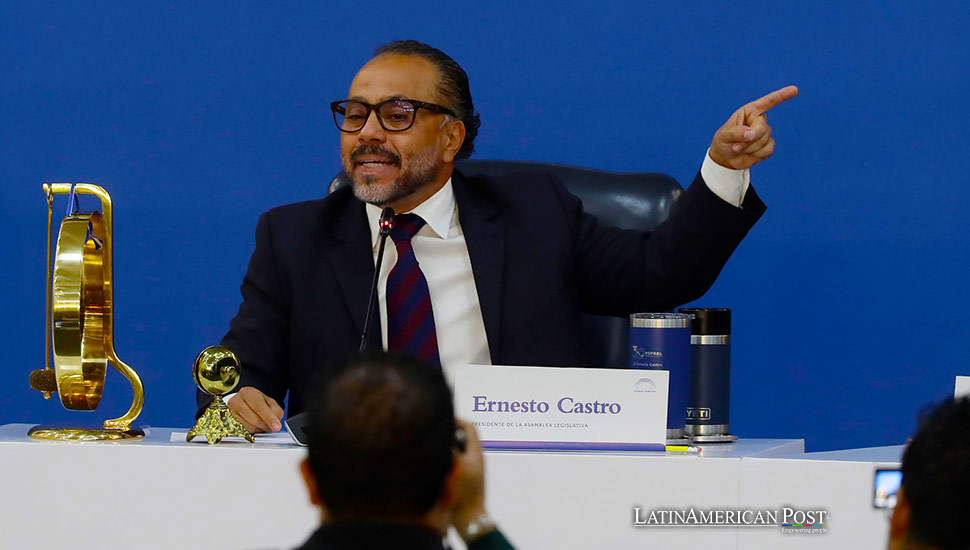
El Salvador, a nation often characterized by its complex political history and persistent challenges, is currently undergoing a profound transformation under the leadership of President Nayib Bukele. His administration, buoyed by overwhelming public support and an unprecedented legislative majority, has embarked on a series of political maneuvers culminating in a significant el salvador constitution reform. This pivotal shift has not only streamlined the process for future constitutional amendments but has also ignited a fierce debate about the consolidation of power and the future of democratic governance in the Central American country.
Reshaping the Constitutional Landscape: A Pivotal Amendment
At the heart of El Salvador's recent political evolution is a crucial amendment to its 1983 founding law. Historically, modifying El Salvador's constitution was a deliberate and often arduous two-stage process, designed to ensure stability and prevent impulsive changes. A proposed constitutional reform first required approval by a simple majority (50-plus-one) of the sitting Legislative Assembly. Crucially, it then had to be ratified by a two-thirds majority of a *new* chamber, following fresh elections. This sequential approval mechanism served as a vital safeguard, demanding broad consensus across different political cycles and effectively preventing a single legislative body from unilaterally overhauling the nation's foundational legal framework.
However, a vote on April 29, 2024, by the outgoing Salvadoran legislature—dominated by President Bukele’s allies from the Nuevas Ideas (NI) party—dramatically altered this established process. Under the new rules, any proposed constitutional change can now be ratified by a three-quarters majority of a single, 60-member legislature. This amendment, passed just before the newly elected legislature (where NI holds a staggering 54 out of 60 seats) took office, effectively paves the way for Bukele's party to push through significant constitutional reforms with relative ease, without the need for subsequent legislative ratification. This move represents a significant Unpacking El Salvador's New Constitutional Rules and an undeniable shift in the balance of power, concentrating legislative authority to an unprecedented degree.
Bukele's Unprecedented Mandate and Legislative Power
The constitutional changes cannot be fully understood outside the context of President Bukele's formidable political standing. Since his initial election, Bukele has cultivated a direct and highly popular relationship with the Salvadoran populace, largely on the back of his uncompromising "war on gangs." This aggressive crackdown, initiated in March 2022 under a state of emergency, has led to mass arrests and a dramatic reduction in the country's once-sky-high homicide rates. While human rights organizations have criticized the methods, including the suspension of civil liberties and the need for arrest warrants, the majority of Salvadorans have welcomed the increased security.
This widespread public approval translated into an overwhelming victory in the February 2024 elections, which saw Bukele returned to office for another five-year term, despite constitutional prohibitions on consecutive re-election (a decision facilitated by a Supreme Court ruling composed of judges appointed by his allies). His Nuevas Ideas party also secured an even larger majority in the legislative assembly, granting them virtually unhindered control over the legislative agenda. This strong mandate and parliamentary dominance provide the political muscle necessary to enact profound changes, including the recent constitutional amendment, fundamentally reshaping the institutional architecture of the state.
Concerns for Democracy and Human Rights
While President Bukele's supporters hail these changes as necessary steps to modernize the state and empower a government dedicated to public safety, a chorus of critics, both domestic and international, has expressed grave concerns. Rights groups, notably Amnesty International, have been vocal in their apprehension, stating that the reform could have a "negative impact... on respect for human rights in the future." They fear it could "drastically reduce the space for debate... and limit the participation of people in matters of public interest."
The core worry among opponents is that this streamlined amendment process concentrates excessive power in the hands of the executive and the ruling party, effectively undermining democratic checks and balances. The original two-legislature requirement served as a crucial institutional barrier against potential authoritarian tendencies, forcing deliberation and broader societal consensus. By removing this barrier, critics argue, the path is now open for El Salvador Reform: Human Rights and Democracy Under Threat?, potentially leading to further erosion of civil liberties and democratic norms. Speculation has also been rife that such changes could eventually be used to remove constitutional limits on presidential terms altogether, solidifying a long-term hold on power for President Bukele.
Insight: The erosion of constitutional safeguards, even if initially aimed at perceived inefficiencies, can incrementally weaken democratic institutions. Historically, many authoritarian regimes have come to power through democratic means, only to then dismantle the very mechanisms that enabled their rise, using legalistic reforms to solidify their control. Monitoring the types of constitutional changes proposed in the future will be crucial for understanding the trajectory of El Salvador's democracy.
Balancing Security Gains with Democratic Safeguards
El Salvador's current situation presents a stark illustration of the complex tension between security and democracy. The dramatic improvement in public safety, undeniably achieved under Bukele's state of emergency, has generated immense public goodwill and a willingness among many citizens to overlook, or even support, actions that might otherwise be seen as infringements on civil liberties. The memory of rampant gang violence, extortion, and daily fear remains fresh for many Salvadorans, making the reduction in homicides a tangible and deeply valued outcome.
However, the question remains: at what cost does this security come? Human rights organizations have documented numerous abuses under the state of emergency, including arbitrary arrests, overcrowded prisons, and lack of due process. While the government claims to have arrested three-quarters of the country's gang members in the past two years, the absence of robust independent oversight and the weakening of constitutional checks create an environment ripe for potential abuses of power. The constitutional amendment, in this context, could be seen as a way to institutionalize aspects of the emergency regime, making it harder to challenge or reverse future policies that might further curtail rights or centralize authority.
Practical Tip: For citizens and observers in any democracy, understanding the mechanisms of constitutional change is paramount. When these mechanisms are altered, it's a signal to pay close attention to the stated justifications versus the potential long-term impacts on fundamental rights and the distribution of power. A strong constitution is the backbone of a stable democracy, and its amendment process is its most vulnerable point.
The Road Ahead: Implications for El Salvador's Governance
The recent el salvador constitution reform marks a definitive turn in the country's political landscape. With the ability to pass constitutional amendments with a supermajority in a single legislative body, President Bukele's administration now possesses unparalleled power to shape the nation's future. This newfound legislative agility could be utilized for a range of purposes, from further enhancing security measures to implementing broader economic or social reforms.
The critical challenge for El Salvador moving forward will be to balance the strong desire for security and stability with the imperative to uphold democratic principles and human rights. International bodies, civil society organizations, and the remaining independent voices within El Salvador will play a crucial role in monitoring how this expanded power is wielded. The long-term implications for the country's institutional integrity, the rule of law, and the fundamental freedoms of its citizens remain to be seen, but the groundwork for a potentially profound and lasting political realignment has undoubtedly been laid.
In conclusion, El Salvador's recent constitutional amendment, facilitated by President Bukele's dominant political position, represents a significant consolidation of power. While framed by proponents as a necessary evolution for a nation moving past violence, critics view it as a dangerous erosion of democratic safeguards. As the country navigates this new constitutional reality, the world watches closely to see how the balance between public security and fundamental liberties will ultimately define El Salvador's path.